Bethesda Disability Project
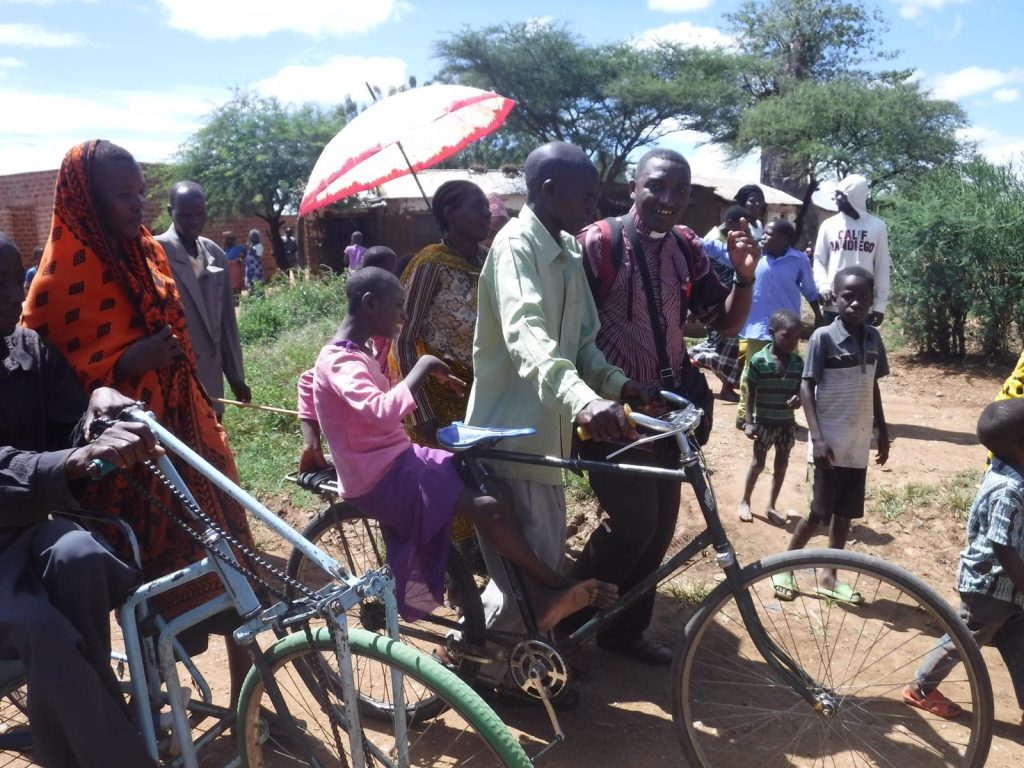
The Bethesda Disability Project Background
St Philip’s has another innovative program underway, the Bethesda Disability Project. The Project started in 2015 at St. Philip’s with the active support and encouragement of the Archbishop. This Project is designed to teach students, through a course and two clinics, how to work with families who have children with disabilities, embracing a philosophy that disabilities affect the whole family, not simply the person who has disabilities.
The theological basis of this mission was researched by St. Philip’s, and the course syllabus was approved by the Bishops. The course began in 2016. The Project also offers a unique opportunity for practical experience through a Family Support Group Model designed by St. Philip’s which encourages the adults caring for children with disabilities to come out of hiding and learn about empowerment. These families work together weekly with students trained in the use of the Model. There are four family support groups in Kongwa which have relationships with the College, and numerous family support groups started by students (both current and graduates) in pilot dioceses. The belief is that if students can work with families who have children with disabilities (one of the most marginalized groups in any society), they can use this empowerment model for any group with a common interest (e.g., widows, orphans, alcoholics etc.).
In order to promote awareness for this mission, the clinics at St. Philip’s designed and implemented a Walk-A-Thon model in 2017 in which 450 people in the Kongwa region participated. This model is being shared with current and graduating students for use in raising community awareness, for the needs of families with children who have disabilities, in dioceses throughout Tanzania. In addition, workshops are offered to train families, students, government officials, teachers and professionals in topics related to this mission, including the Family Support Group Model, The Persons with Disabilities Act 2010, Positive Behavioral Supports, Inclusion etc. St. Philip’s has also formed relationships with St. John’s University of Tanzania to promote Project work especially in the areas of Inclusion and Positive Behavioral Supports.
Through the practical experiences gained in this Project, students learn how to lead a mission and develop communities by sharing the Gospel through actions as well as preaching. This Project is transforming not only the student’s lives, but also the lives of families previously in hiding by teaching them empowerment through working together to find solutions to their problems.
Our Vision, Mission and Goals
Our Vision
To empower families who have children with disabilities to reach their potential through its Bethesda Disability Program education and trainings.
Our Mission
To ensure that families with children with disabilities have the knowledge and support to make informed choices that will enhance the development and well-being of their children. We believe that through partnership among families, the church and the community families can better help their children reach their potential.
Our Goals
- To educate students in a Pastoral ministry course to work with families who have children with disabilities.
- To train students to create Family support groups (FSGs) with families who have children with disabilities at churches near the College and at home churches.
- To empower persons with disabilities by preparing them for ministry at St Philip’s so that they may serve within the church.
- To create community awareness of the needs of persons with disabilities.
“Then Jesus said to him, Get up! Pick up your mat and walk.”
John 5:8:
As Jesus did, as a College we want to empower families and persons living with abilities so that they may see their potential in their life.
Project Song from John 9:1-5
Creating community awareness of the needs of persons living with disabilities

In April 2017, St. Philip’s organized its first Walk-A-Thon to raise community awareness for its Bethesda Disability Project and for the needs of families who have children with disabilities. The entire college participated in making this 5 km walk a raging success. A walking route was designed to include families at each of the 4 churches with family support groups. As the route added more and more walkers, the singing and dancing grew more energetic. The placards were held high and the newly created songs were sung loudly announcing our mission down the main street of Kongwa to cheering bystanders.
A several hour-long celebration ceremony was held at the end point of the Walk-A-Thon at the Myankongo Church. Speeches were given by government and NGO officials. Two students from St. Philip’s shared their inspiring stories of living and succeeding in Tanzania with disabilities. A drama related to our mission was created and presented. Choirs shared their newly created songs about persons with disabilities using John 5 as a guide. And a solo song, written and sung by a woman reading braille, was offered by her amazing, angelic-like voice. 450 people showed up in this walkathon, who were from 4 family support groups.
In 2019, St. Philip’s offered its second Walk-A-Thon. It was a fun and meaningful day for the Kongwa community, which came together in support of families who have children with disabilities. 400+ people attended with lively spirits singing down the main street of Kongwa carrying banners and holding hands. All ages groups participated. At the end there was entertainment provided by choirs, who created special songs for the day celebrating the rights and well-being of persons with disabilities. A Sunday School created a play related to the mission. Three government speakers identified resources available in Kongwa to help families, and encouraged them to come in.
Once again, the Walk-A-Thon provided a voice for the voiceless, education, community awareness for the needs of the disabled, fellowship and entertainment. The next step in empowerment is for the families to seek out these resources. Four Family Support Groups actively working together with the St. Philip’s clinic members creates an engine for changing attitudes and improving the quality of lives.
Empowerment Workshops
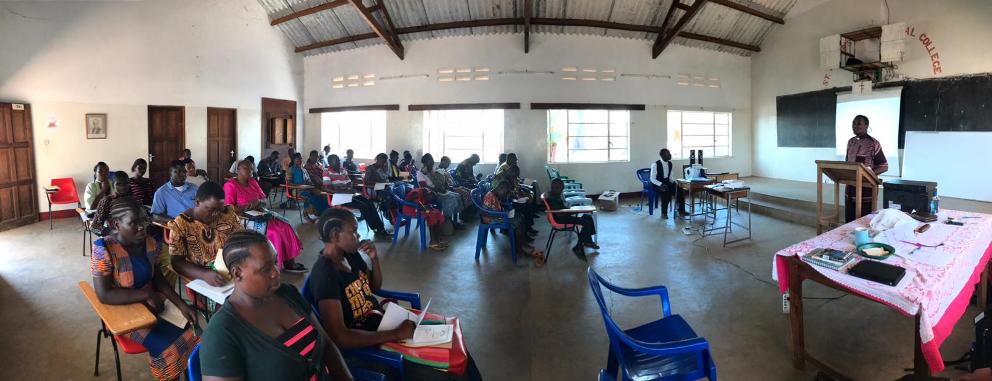
The Bethesda Disability Project offered its first empowerment workshop in November 2018. It was exciting to see the parent leaders enthusiasm for the workshop. Forty people were invited and close to fifty attended—actively taking notes and asking questions from 8:30-5:30.
Our Project vision is evolving from a course and 2 clinics to creating workshops to promote our work. This first workshop was designed to train dedicated parent leaders, their pastors and government officials in our Family Support Group empowerment model. The goal is for the parent leaders to work side by side with our students, and to take over when students are home on breaks. It is critical that parents take responsibility for their groups, since pastors are transferred and students graduate.
Our budget allowed for lunch, and also to bring a St. Philip’s graduate back from Tabora, one of our pilot dioceses. This student graduated two years ago, and was a past chairman of our clinics. He has energetically embraced our ministry creating 6 family support groups with other Christian leaders in Tabora. They have 55 parents meeting regularly for bible study and presentations of interest to the group (e.g., health care, entrepreneurship etc.). He has also started a support group for persons with disabilities, which meets every Sunday for 2 hours to discuss issues of interest to them. This was exactly what we have hoped for…that St. Philip’s will work with dioceses around Tanzania to share and learn from each other to improve Project programming by making it more responsive nationally to the needs of our families.
Over the course of the Project evolution our families have struggled with understanding what an empowerment mission entails. In order to help families change their mindset, St. Philip’s offered individual all-day workshops at each family support group during the summer of 2018. And in November St. Philip’s students and staff followed up with a group workshop on campus.
This on-campus workshop brought the committed leaders of each family support group together with the related St. Philip’s clinic members to work in break out groups to create Action Plans for implementation over the next six months. As a result of these workshops there are encouraging signs that the mindset of the families is beginning to change. Families are realizing that they can work together to find solutions to their problems.
To enpower persons living with disabilities for Ministry
https://www.youtube.com/watch?v=PusEzSSRIXs
Knowing that “Disability is not inability” St Philip’s College through its BDP program, have managed to train more than ten people living with different disabilities where after training, their Dioceses recognized and gave them opportunity to serve in the Church in different capacity.
Frank Joseph who is a visually impaired priest from Mpwapwa Diocese of the Anglican Church of Tanzania is among these persons who received priestly training at St. Philip’s College. Due to the training given to him at St. Philip’s College, Frank can lead any service using braille, and he does it well without any problem. This proves that people living with disabilities, if enabled, can work like others without problem.
Conducting cerebral palsy exercises training
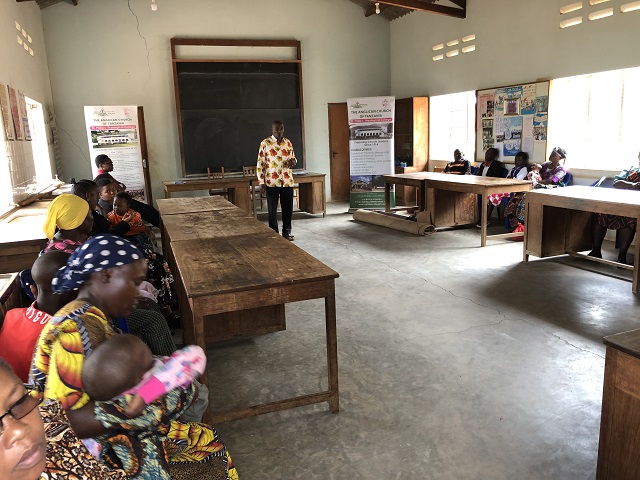
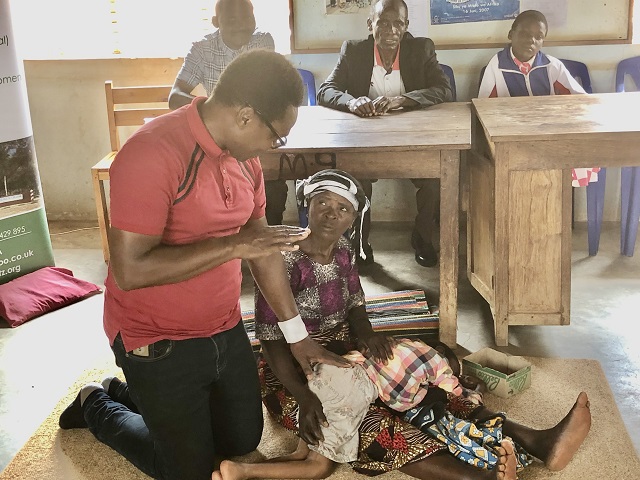
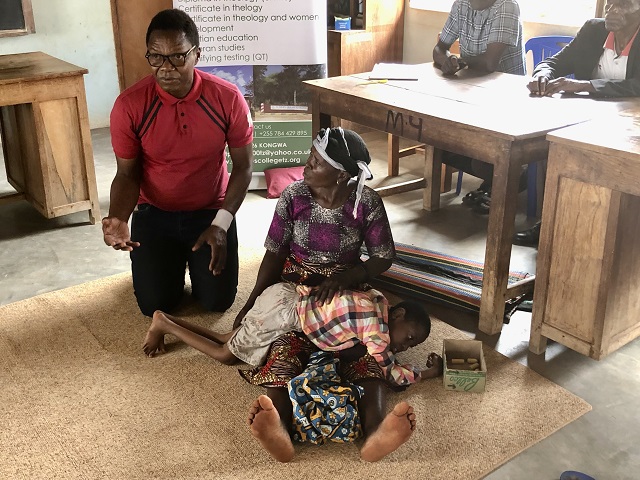
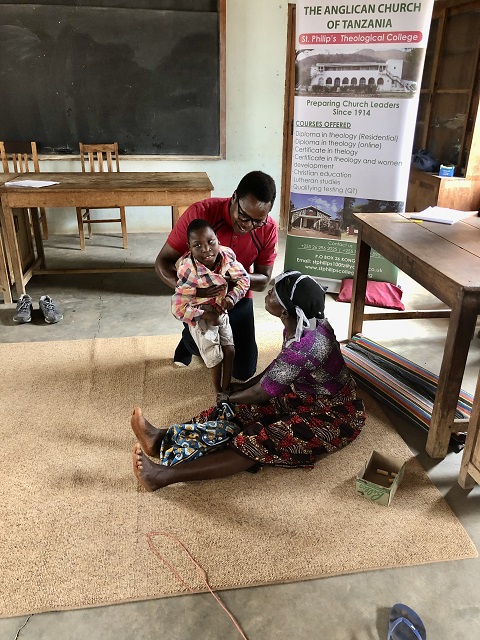
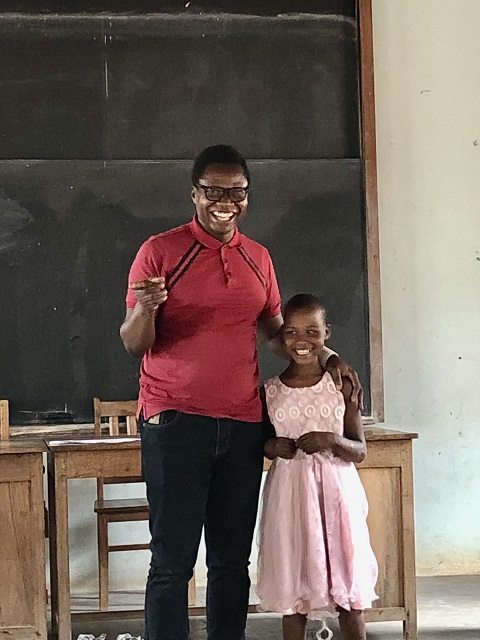
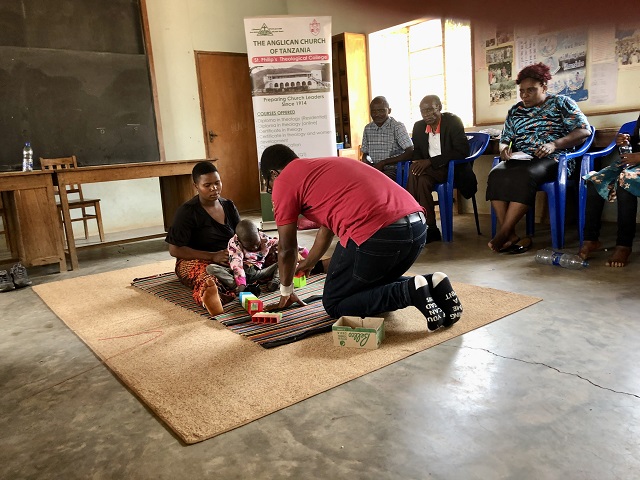
Physical therapy is among treatment given to children with cerebral palsy, genetic disorders or a child with a problem caused by head injure during their birth. Physical therapy exercises for a child with such problem is important as it will improve mobility, decrease or prevent permanent disability, alleviate pain, and also restore functions of the child parts.
It is because of these reasons that The Bethesda Disability Program of St Philip’s Theological College gives training to parents so that they may know what to do with their children with this problem but also empowers students at St Philip’s to know what to do so that they may help parents where they will be working to help their children through physical therapy. The training is usual given by visiting physiotherapist experts from different organizations.
https://www.youtube.com/watch?v=LmHIoLC0BoA&t=27shttps://www.youtube.com/watch?v=8iC0291zCY0